

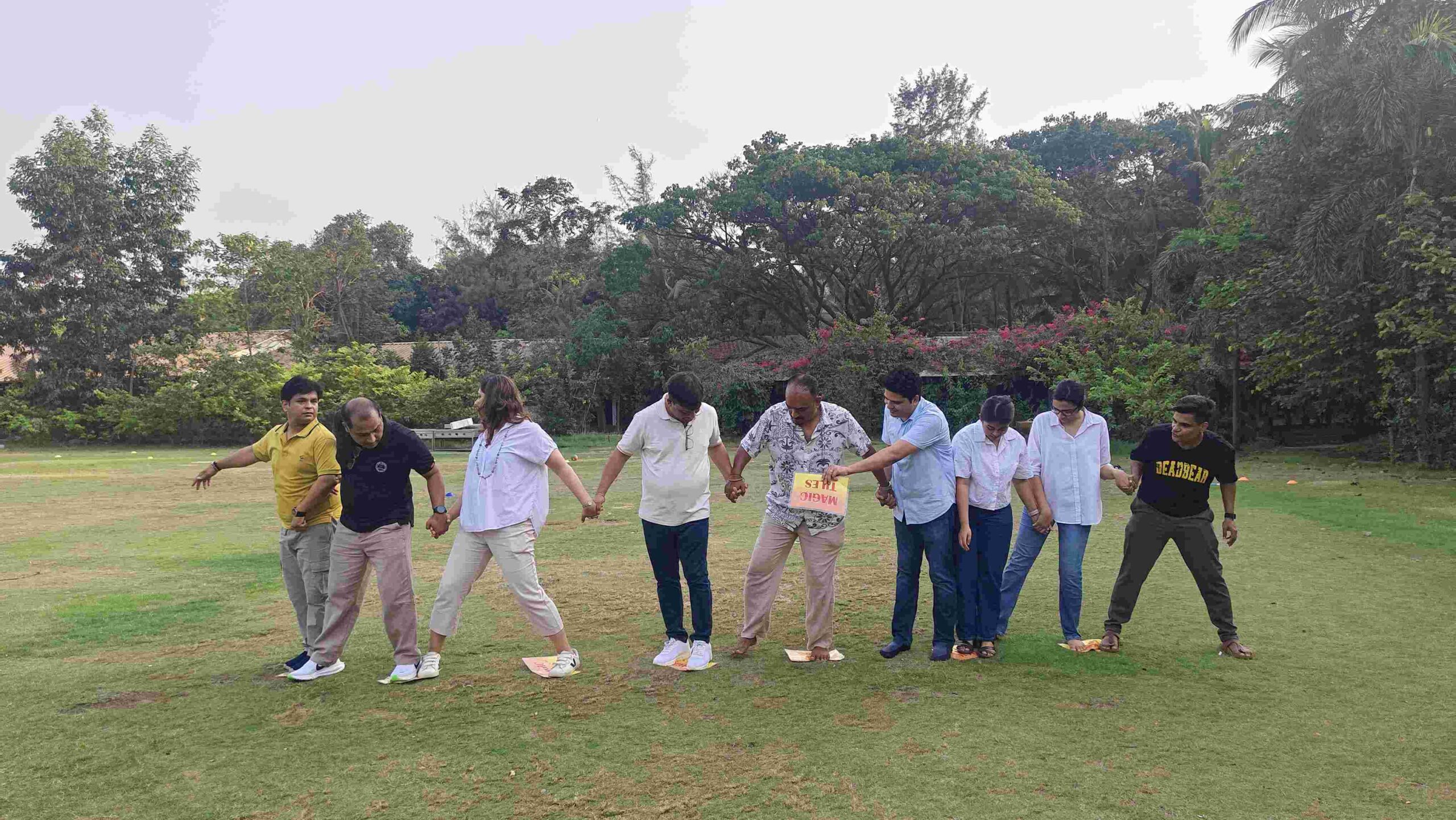
Team-building activities in corporations are misconstrued. Other workers envision clumsy icebreakers, compelled entertainment, or interminable pep talks. In practice, contemporary team-building practices by corporations are well-planned experiences that assist employees to better communicate, work as a team, and form healthy work relationships.
The current organizations are investing in useful engagement in teams since they have realized one significant fact that strong teams create strong business.
Regardless of the company size, be it a fast-growing startup, a remote-first company, or a large enterprise, companies are now turning to professional team-building event planners and savvy facilitators to design effective events that enhance teamwork and workplace culture.
Through this insider’s guide, we will find out what actually goes on in a corporate team building session, how such events are organized, and why companies are now more than ever engaging the services of a professional Corporate Team Building Company.
Contemporary working environments are changing at a very fast rate. Team connection has never been as essential as it is today due to hybrid work models, cross-functional work, fast-paced deadlines, and mounting workplace stress.
Corporate team building activities are no longer just “fun events.” They are strategic tools designed to:
Effective team building workshops assist employees to feel that teamwork in a virtual setting where they can use the simulated setting to practice collaboration, adaptability and communication skills. These workshops will involve both learning and engagement to have enduring behavioral effect.
The Complete Step-by-Step Process, going far beyond generic tips. You’ll learn how to design great team-building events with lasting results while using your budget and time wisely.
Among the most common misconceptions regarding the corporate team building events, it is assumed that companies randomly choose games.The fact is that in practice, professional team building event organizers start with an elaborate discovery process. Before planning any session, facilitators typically meet with HR leaders, managers, or department heads to understand:
Once objectives are clear, the next step involves selecting the right activities.
Experienced team building event planners don’t simply choose games based on popularity. Instead, they match activities to the company’s goals, team size, workplace culture, and employee preferences.A professional Corporate Team Building Company may recommend:
These help employees feel comfortable, especially when participants do not know each other well.
Examples include:
Icebreakers help create psychological safety and encourage participation.
These activities test communication, planning, and teamwork.
Popular examples include:
Corporate Compass uses business simulation games and collaborative challenges to help employees experience real-time decision-making and teamwork under pressure.
Outdoor sessions add energy, movement, and excitement.
These may include:
Outdoor activities are especially effective for improving trust, adaptability, and communication.
Not every team responds well to competitive games. Some organizations prefer collaborative, low-pressure experiences.
Examples include:
The best team building event organizers ensure activities feel natural, inclusive, and engaging instead of forced.
A successful team building session requires much more planning than employees usually realize.
Behind every smooth event is a team handling:
Professional team building event planners often spend weeks organizing a single event.
The goal is to ensure participants can focus entirely on the experience without worrying about operational issues.
Many organizations choose to work with a dedicated Corporate Team Building Company because it removes stress from internal HR teams and ensures professional execution.
When employees arrive at the venue, the session usually starts with a welcome briefing.
Facilitators explain:
In comparison to conventional training sessions, team building events are very interactive at the very onset. They usually separate participants into teams and encourage them to work together right away.
Workers who hardly see each other at the office now have to figure out the problems collectively, plan under time stress, and communicate differently.
Leadership qualities are both hidden and visible to managers. Analytical challenges usually pose no problems to introverted employees. The departments that normally work independently develop a natural mode of collaboration.
One of the most valuable behind-the-scenes aspects of corporate team building sessions is facilitator observation.
Experienced facilitators don’t just host games.
They carefully observe:
These observations help companies understand their teams better.This makes corporate team building activities both engaging and strategically valuable.
The most effective corporate team building activities include structured reflection.
After each activity, facilitators usually conduct debrief discussions where participants reflect on:
This step makes games significant learning processes.When the activities are not reflected, they can be enjoyable but do not lead to behavioral change.
Organizers of professional team building events understand that the greatest learning occurs when the participants relate the outcomes of activities with realities of the workplace.
These lessons enable staff to enhance group performance even after the incident.
The best team building sessions don’t end when the event finishes.Successful organizations use these experiences to strengthen long-term workplace culture.
A well-designed team building program can lead to:
Most companies are now organizing team building activities on a regular basis as opposed to a one-time activity. This continued investment aids the teams in strengthening their relationships and teamwork in the workplace at all times.
Not all corporate team-building activities deliver meaningful results. The most successful sessions share a few important characteristics:
Every activity should support a defined business or team goal.
Activities should make all employees feel comfortable and involved.
Experienced facilitators know how to maintain energy, encourage collaboration, and guide learning.
The best sessions combine fun with purposeful learning.
Employees should leave with practical insights they can apply at work.
The event should fit the organization’s culture, team structure, and challenges.
This is why many businesses choose experienced team-building event planners who specialize in designing impactful and customized employee engagement experiences.
The secret behind successful corporate team-building retreats is a well-thought-out strategy, planning, and intentional facilitation.
What might appear to be just games on the surface is a highly planned process, and one that is geared towards enhancing communication, reinforcing teamwork, instilling trust, and developing high-performing teams.
It can be an outdoor team building challenge, business simulation game, or even a teamwork workshop, but the appropriate corporate team building events can shift the culture of the workplace and enable teams to be at their best.
To build a more robust collaboration, greater engagement, and improved relationships in the workplace, a solid team building experience might be among the most intelligent choices you can make.